Flash Flood & Creek Flooding Cleanup in O'Fallon, MO
Storm runoff and creek water carry soil, fuel and sewage into whatever they reach. The mitigation team pumps it out, removes what it touched, cleans the structure and dries it.
(888) 603-7319Get floodwater out of the house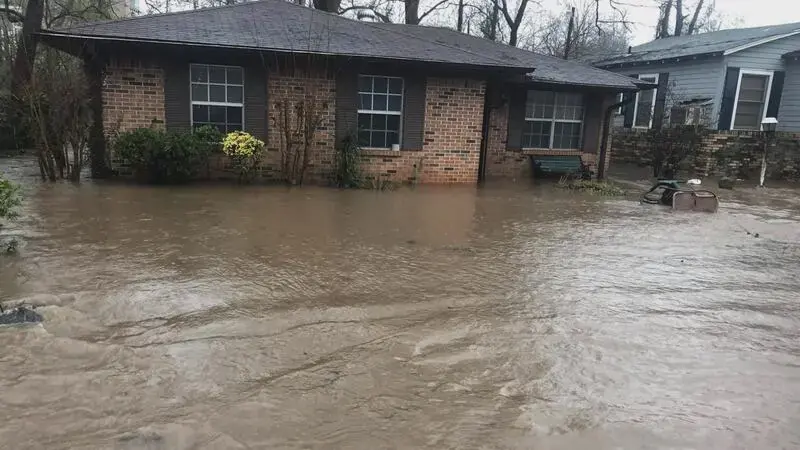
What to do first about flash flood cleanup in O'Fallon
- Never walk or drive through floodwater
Moving water is stronger than it looks and can hide open drains and debris.
- Stay out until power is off
Floodwater around outlets or appliances can be energized.
- Photograph the high-water mark
Photos of the water line in every room support the claim.
- Wear boots and gloves
Floodwater can carry sewage and chemicals.
- Call for Category 3 cleanup
The sooner mud and wet materials come out, the less damage spreads.
What does flash flood cleanup cost in O'Fallon, MO?
In O'Fallon, MO, flash flood and creek flooding cleanup typically runs $4,000 to $25,000 or more, driven by the depth of the water, how many rooms it reached and how much has to be removed.
A few inches in a basement
- Pumping and mud removal
- Lower drywall removed
- Cleaning and drying
Finished level flooded
- Flooring and drywall removed
- Antimicrobial treatment
- Structural drying
Deep or multi-level
- Extensive removal
- Containment
- Full cleaning and drying
These are typical ranges, not a quote. The drivers are the water category, the square footage, the material class and how fast drying started. For a closer planning number, try the water damage cost calculator.
How flash flood cleanup is handled in O'Fallon, MO
Pump and muck out
Standing water is pumped and mud and silt removed.
Remove
Wet drywall, insulation, carpet and pad are removed.
Clean and treat
Surfaces are cleaned and treated with EPA-registered antimicrobial.
Dry and verify
Drying runs until readings reach the goal.
O'Fallon sits in the rolling land between the Missouri and Mississippi Rivers, and Dardenne Creek, Peruque Creek and Belleau Creek carry its storm water. When a slow summer storm drops several inches of rain, low streets, backyards and walkout basements near those creeks take on water fast. The record July 2022 rain in the St. Louis region showed how quickly that happens.
Why floodwater is handled as Category 3
Water that runs across yards and streets picks up soil, lawn chemicals, fuel and sewage from surcharged systems. The IICRC S500 standard treats it as Category 3. That means the job starts with removal and cleaning, not drying.
- Standing water is pumped out and mud and silt shoveled and extracted
- Carpet, pad, drywall and insulation that the water touched are removed
- Hard surfaces are cleaned and treated with an EPA-registered antimicrobial
- Air movers and dehumidifiers dry the framing and slab afterward
How the cleanup runs
The mitigation team works in protective gear. After the extraction crew pumps out the water, drywall is cut well above the flood line and wet insulation comes out. The slab and framing are cleaned and treated, and then the drying team sets equipment and records readings each day until the structure reaches the drying goal. Photos of the high-water mark and every room go into the claim file.
Trade fact: a flood line on the wall is not the limit of the damage. Drywall wicks water several inches higher, so cuts are made above the highest wet reading.
Flood insurance and safety
Standard homeowners policies usually exclude surface flooding; coverage normally comes from a flood policy. FloodSmart, the National Flood Insurance Program site explains how flood claims work, and the Ready.gov flood safety page covers staying safe around floodwater. The National Weather Service St. Louis office issues flash flood warnings for St. Charles County. For water that came through a window well, see window well flooding cleanup.
Flash Flood and Creek Flooding Cleanup questions in O'Fallon, MO
Is flood damage covered by homeowners insurance?
Surface flooding is usually excluded from standard homeowners policies and covered only by a separate flood policy. Coverage depends on your policy, so it is worth checking with your own insurer.
Can anything touched by floodwater be saved?
Hard, non-porous items can often be cleaned. Carpet, pad, upholstery, drywall and insulation touched by floodwater are generally removed.
How high does the drywall have to be cut?
Above the highest wet reading, which is often several inches above the visible flood line.
When is it safe to go back in?
When the water is out, the power has been checked and there is no structural damage. Wear boots and gloves during cleanup.
How long does cleanup and drying take?
Removal and cleaning usually take a day or two, and drying typically takes three to seven days after that.
What makes creek flooding worse in O'Fallon?
Long, slow storms that stall over St. Charles County, plus clay soil that holds water and paved subdivisions that shed it quickly into the creeks.
Flash flood cleanup across O'Fallon, MO
The O'Fallon restoration crew handles flash flood cleanup in Old Town, WingHaven, Copperfield and the Highway K, Highway N and Bryan Road corridors, ZIP codes 63366 and 63368, with St. Peters, Dardenne Prairie, Lake Saint Louis, Wentzville, Cottleville, St. Paul, Weldon Spring and St. Charles close by.
Water damage in O'Fallon right now?
The restoration team extracts standing water, dries the structure to the IICRC S500 standard and documents every step for your insurance claim.